YouChina
YouChina Wiki · Travel-tech explainer — last checked July 2026

Do iMessage & FaceTime work in China? 2026

Apple's iMessage and FaceTime are widely reported to work normally on local networks in mainland China without a VPN — a notable exception to the blocks that hit WhatsApp, Messenger, and Telegram. The catch: they only reach other Apple users, and your SMS fallback depends on your carrier plan.

Short answer

Yes — both are among the few Western messaging services that work normally in mainland China

Apple's iMessage and FaceTime are widely reported to work on local networks in mainland China without a VPN — a notable exception to the blocks that hit WhatsApp, Messenger, and Telegram. The catch: iMessage and FaceTime only reach other Apple users, and your green-bubble SMS fallback for everyone else depends on your carrier plan and roaming.

See what to set up before you fly →

Blue bubble vs. green bubble — and why it matters in China

iMessage runs over the internet, and it's widely reported to keep working normally on WiFi and cellular data inside mainland China — no VPN needed. FaceTime video and audio calls are widely reported working the same way. This stands out because WhatsApp, Messenger, and Telegram are all widely reported blocked (see our WhatsApp guide) — Apple's messaging stack has stayed a working exception.

  • Blue bubble = iMessage over the internet — widely reported to work in mainland China without a VPN.
  • Green bubble = a fallback SMS sent over your carrier — this needs your phone plan to support roaming or a local number, not iMessage itself.
  • One nuance to hedge: on iPhones sold in the mainland-China market, some features have historically been reported restricted (for example, FaceTime Audio availability has at times been reported limited on mainland-market devices) — travelers with foreign-bought iPhones are not expected to be affected.
  • Group chats mixing iPhone and Android users fall back to SMS/MMS for everyone in the thread, which can get messy and expensive while abroad.
Full guide: Does WhatsApp work in China? →

A FaceTime call home from the back of a taxi — widely reported to just work

No VPN, no workaround — travelers report opening FaceTime the same way they would at home. The catch is who's on the other end: it only reaches other Apple users.

What works and what doesn't for calling and messaging in mainland China

App / serviceWorks in mainland China?WorkaroundNote
iMessage (blue bubble)YesWidely reported to work without a VPN
FaceTime video callsYesWidely reported to work without a VPN
FaceTime audio on foreign-bought iPhonesYesWidely reported to work; mainland-market devices have historically differed on some features
SMS fallback (green bubble)PartialCheck international roaming with your carrierRuns over cellular network, not iMessage
WhatsAppNoForeign eSIM or VPN — see our WhatsApp guideWidely reported blocked since 2017
Telegram / SignalNoForeign eSIM or VPNWidely reported blocked
WeChat (微信)YesWhat most locals actually use

Reaching people who aren't on Apple devices

What locals use
WeChat (微信)

The practical way to reach contacts in China who don't use Apple devices. Almost everyone you meet locally already uses WeChat — register and add a few contacts before you fly.

Not reliable
Android users: Google Messages / RCS

Not a reliable alternative inside mainland China — Google services are widely reported blocked, and RCS chat features are expected to fail the same way. Plain SMS still works over carrier roaming.

Keep active
Keep your home line active (dual-SIM)

If you're running a local SIM or eSIM for data, keeping your home number active in a second SIM slot preserves iMessage/FaceTime registration and lets green-bubble contacts still reach you by SMS.

Which one is right for me?
  • Other iPhone/Mac users → iMessage and FaceTime, no setup needed
  • Contacts in China → WeChat (register before you fly)
  • Android friends/family → SMS over carrier roaming, not Google Messages/RCS

Quick compare: messaging status in mainland China

iMessage (blue bubble) — widely reported to work, no VPN neededWorks normally
FaceTime video and audio — widely reported to workWorks normally
SMS fallback (green bubble) — needs carrier roaming or a local SIMCheck your plan
WhatsApp / Telegram / Signal — widely reported blockedNeeds eSIM or VPN
WeChat — what most locals actually useRegister before you fly

Getting iMessage and FaceTime ready before you go

Activation is the one step that can trip travelers up — sort it out before you fly, not after.

1
Confirm activation before departure
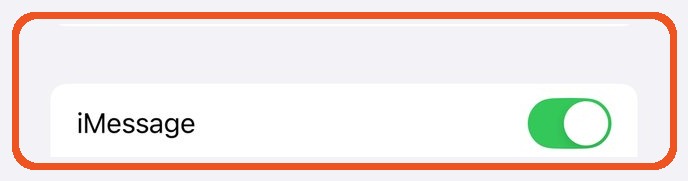
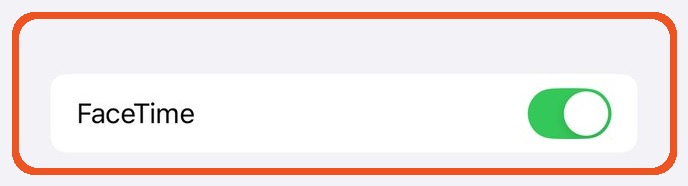
iMessage and FaceTime activation can require receiving an SMS confirmation. Make sure both are already turned on and working (Settings → Messages / FaceTime) while you still have your normal home network — don't wait until you land to check.
2
Keep your home line reachable
If you're adding a local SIM or eSIM for data, use dual-SIM to keep your home number active too — this preserves iMessage/FaceTime registration and lets green-bubble contacts still reach you by SMS.
Compare foreign eSIMs for China →Full list of apps and what works in China →Pre-departure checklist →

Common mistakes travelers make with iMessage and FaceTime in China

Assuming Android family will see your messages the same way

iMessage only reaches other Apple devices. Group chats with Android members fall back to SMS/MMS for everyone, which can look and behave differently than a normal iMessage thread.

Not registering WeChat for local contacts

iMessage and FaceTime don't help with people who don't use Apple devices — which is most people you'll meet locally. Register WeChat and add a few contacts before you fly.

Turning off your home SIM entirely

If you fully swap to a local SIM with a new number, your iMessage/FaceTime registration and green-bubble reachability on your home number can be affected. Dual-SIM keeps both working.

Assuming Google Messages/RCS is a safe fallback

Google services are widely reported blocked in mainland China, so RCS-dependent chat features on Android are not expected to work reliably. Plain SMS over carrier roaming is the dependable fallback.

Set this up before you fly (activation is the one step that can go wrong)

  • 1Confirm iMessage and FaceTime are already activated and working on your home network — activation can need an SMS confirmation, which is easiest to receive before you leave.
  • 2If you'll run a local SIM or eSIM for data, set up dual-SIM so your home number stays active for iMessage/FaceTime registration and green-bubble SMS.
  • 3Download and register WeChat for anyone local you expect to be in touch with — iMessage and FaceTime only reach other Apple users.
  • 4Warn Android-using family and friends that group chats may fall back to SMS/MMS while you're abroad, which can behave differently than a normal group thread.
  • 5If you have a foreign-bought iPhone, no special setup is expected for FaceTime Audio — the historical restrictions reported on mainland-market devices are not expected to apply to you.
Sources · Last checked: 2026-07-10

Sources

FAQ

Frequently asked questions

That's what's widely reported — both have stayed available on local networks in mainland China without a VPN, while WhatsApp, Messenger, and Telegram have been widely reported blocked. This has held up in traveler reports, but availability of any service can change, so it's worth double-checking closer to your trip.

We keep this neutral: Apple's services are widely reported to operate in mainland China under arrangements specific to Apple, while Google's and Meta's consumer services have been widely reported blocked on separate timelines. We don't speculate further on the reasons — only on what travelers report experiencing.

Blue bubble means the message went over iMessage (internet-based, widely reported to work in mainland China without a VPN). Green bubble means it fell back to plain SMS over your carrier, which needs roaming or a local number to reach you.

They're widely reported to work, though travelers note transfers can be slower than at home depending on network conditions — treat this as a hedge, not a guarantee, especially for large video files.

No — both are widely reported to work on local networks in mainland China without a VPN. A VPN becomes relevant for other blocked services (WhatsApp, Google, Instagram), not for Apple's own messaging and calling.

For non-Apple contacts, use a channel that isn't affected by the same limitation: standard carrier voice/SMS over roaming, a working non-Gmail email account, or WeChat if they're willing to install it.

Yes — Hong Kong and Macau are outside the Great Firewall, so iMessage and FaceTime are expected to work there the same way they do at home, without any of the mainland-specific nuances covered on this page.

Continue your China prep