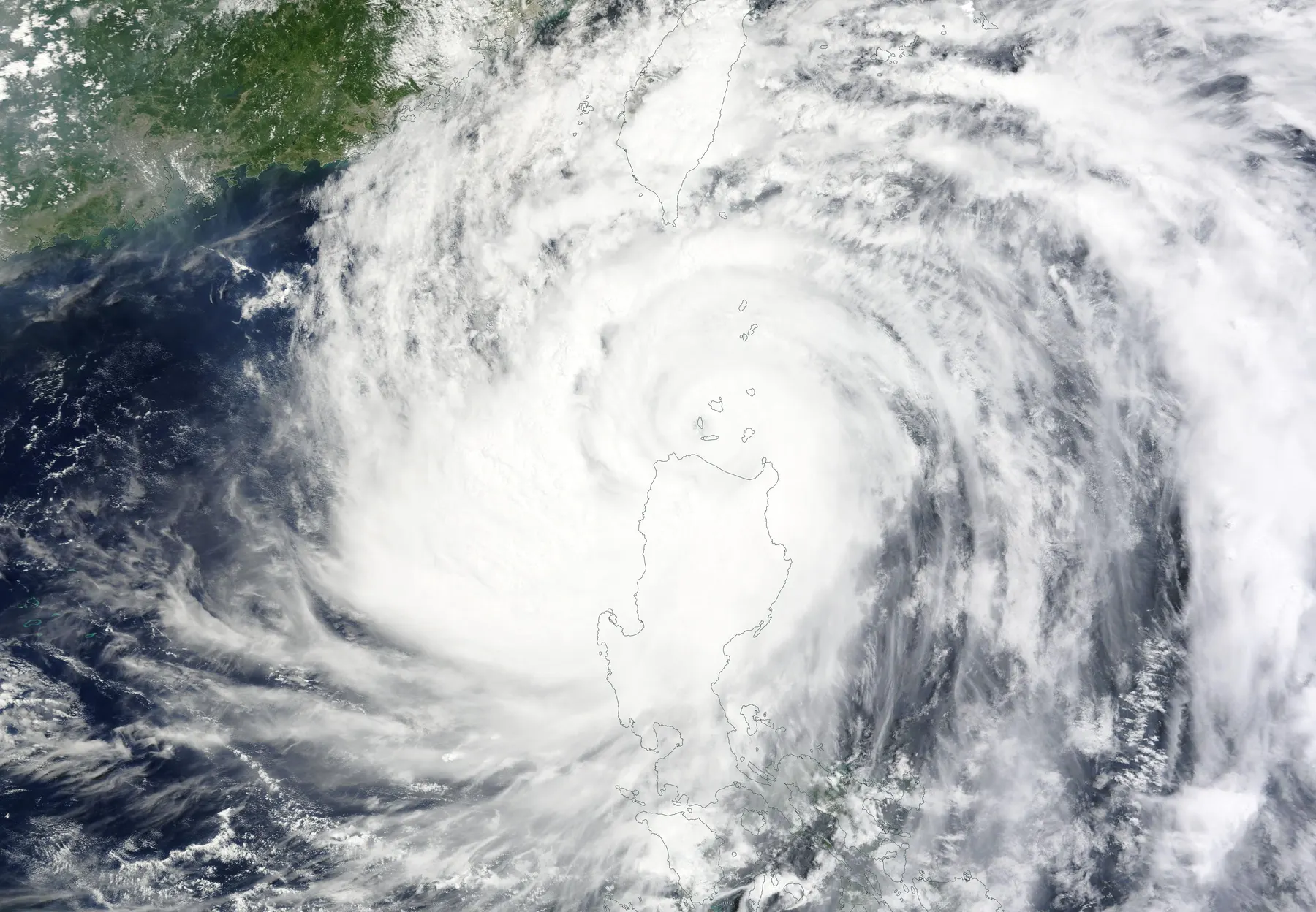
Typhoon season in China runs roughly July through September — with the most intense storms typically in September — and is a risk for the southern and eastern coast, not inland cities like Beijing or Xi'an.
Nationally, typhoons reach China almost exclusively from July to September — these three months account for about 78% of all typhoons that made landfall in the country from 1949 to 2019, with July and August seeing the most landfalls and September the most intense storms. That coastal risk zone covers Guangdong, Fujian, Hainan, and the East China coast. It's a real factor to check if your trip touches the southern or eastern coast during the warmer months, but not something most itineraries need to plan heavily around.
Because forecasts firm up only days ahead, check the China Meteorological Administration or Hong Kong Observatory for current conditions as your trip approaches, rather than relying on a general seasonal rule of thumb.
The details
- Which regions are affected — Coastal provinces in the south and east — Guangdong, Fujian, Hainan, and parts of the East China coast — are the areas that see typhoon activity.
- How China tracks and warns for typhoons — The China Meteorological Administration issues a color-coded typhoon warning system (escalating through blue, yellow, orange, and red) based on expected wind speed and time to impact. Hong Kong Observatory issues separate warnings for Hong Kong/Macau.
Frequently asked questions
Does typhoon season affect Beijing or inland China?
No — typhoons are a coastal phenomenon affecting the southern and eastern coast. Inland cities like Beijing, Xi'an, and Chengdu are essentially unaffected.
Should I avoid Hainan or coastal Guangdong because of typhoons?
Not necessarily — it's a real factor to be aware of if you're visiting during the warmer months, but most trips aren't disrupted. Check current conditions as your dates approach rather than avoiding the region outright.
Where can I check current typhoon conditions?
The China Meteorological Administration and, for Hong Kong/Macau, the Hong Kong Observatory both issue current warnings and forecasts.
What actually happens to travel plans during a typhoon warning?
Flights, ferries, and some outdoor activities near the coast can be disrupted for a day or two around landfall. Build some flexibility into a coastal itinerary during the warmer months rather than a rigid schedule.
Keep exploring YouChina Wiki
Explore the field guide
Last checked: